
Total Value, Not Purchase Price: The Smarter LiFePO4 Upgrade
As energy demands continue to grow, the question is no longer whether you need storage, but whether the storage you choose can keep up. A smarter upgrade is one that delivers higher efficiency, longer service life, and better safety at the same time, without asking you to accept a heavy, high-maintenance system in return.
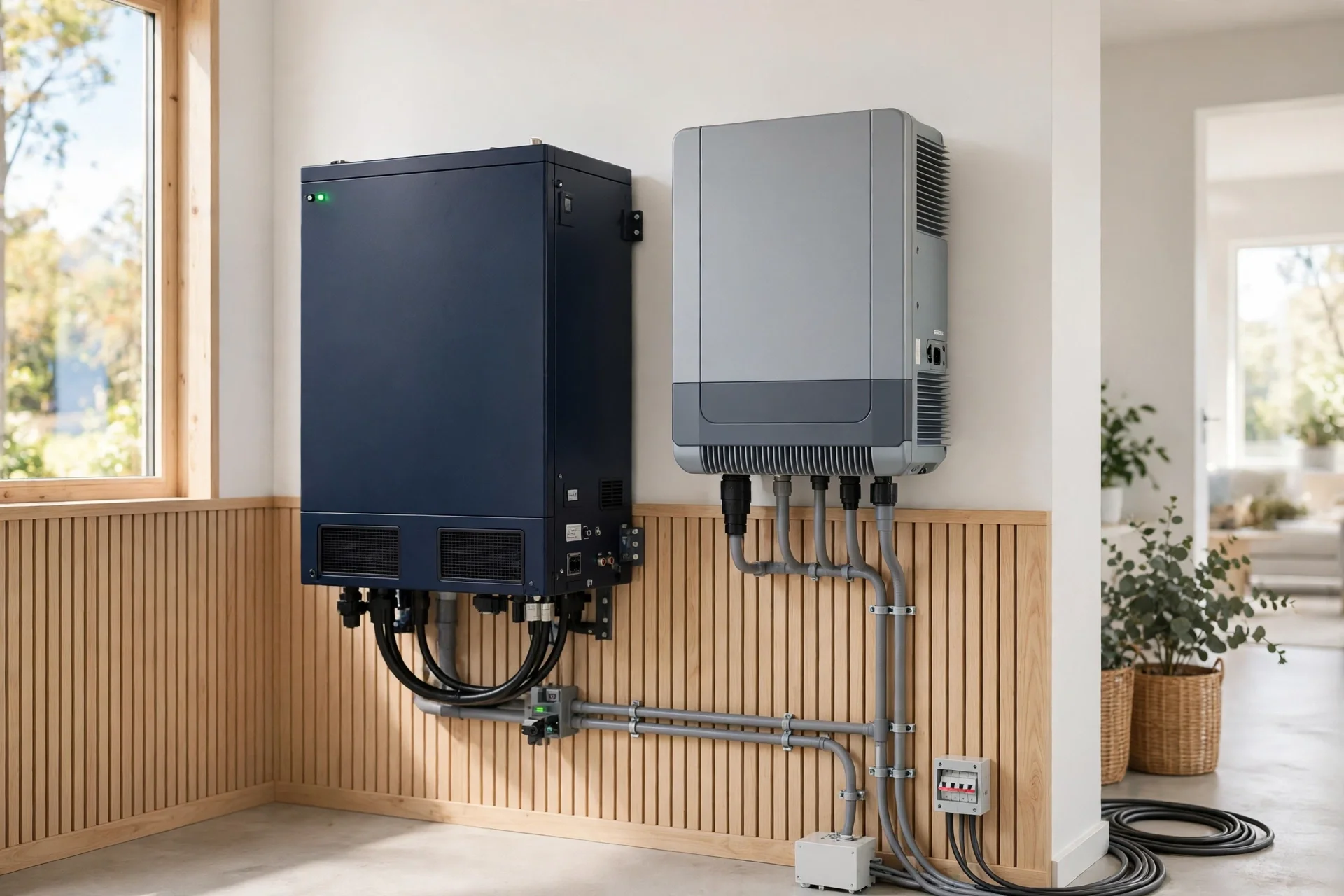
Illustrative scene: a deep cycle battery in a home energy room. The image shows the product type, not one specific model.
Stable chemistry, deeper discharge, longer life
A LiFePO4 Deep Cycle Battery uses lithium iron phosphate chemistry, known for excellent stability and long cycle life. Compared with lead-acid batteries, LiFePO4 batteries can deliver deeper discharge without causing serious damage. While many lead-acid batteries are limited to about 50% usable capacity to avoid damage, LiFePO4 batteries can usually use much more, often 80% or more.
Lifespan tells the same story. Traditional lead-acid batteries may last only a few hundred cycles, especially when used frequently in deep cycle applications. In contrast, a high-quality LiFePO4 battery can provide thousands of charge and discharge cycles, meaning fewer replacements and more dependable service over years.
Half the weight, stronger safety, solar-ready
Weight is also an important factor. Lead-acid batteries are heavy and difficult to move, especially in mobile applications such as RVs, boats, and portable power systems. LiFePO4 batteries are much lighter, often weighing about half as much as comparable lead-acid batteries, making installation easier and improving efficiency in mobile use.
Safety is another reason many users choose LiFePO4. Lithium iron phosphate chemistry is more thermally stable than many other lithium chemistries, with strong resistance to overheating and thermal runaway, making it suitable for residential and commercial energy storage. In renewable energy systems, LiFePO4 batteries are especially valuable: solar generation depends on weather and daylight, so efficient storage is essential, and a LiFePO4 battery can store solar energy during the day and release it at night or during power outages. Although initial purchase price is usually higher, total value is often much better, with longer lifespan, higher usable capacity, lower maintenance, faster charging, and improved reliability all contributing to lower total cost.
Questions, answered briefly
Is "about half the weight" true for every size? No. It is an approximate comparison for comparable usable capacity, and exact weights vary by model and design.
Does deeper discharge harm the battery? Within the manufacturer's depth-of-discharge guidance, LiFePO4 handles deep cycling far better than lead-acid, which is why the comparison matters.