
Why Deep Cycle LiFePO4 Batteries Outlast Lead-Acid in Daily Use
As energy storage technology continues to develop, more homeowners, businesses, and mobile power users are looking for safer, longer-lasting, and more efficient battery solutions. One of the most practical upgrades available today is replacing traditional lead-acid batteries with a LiFePO4 Deep Cycle Battery. This advanced lithium iron phosphate battery offers excellent performance, stable power output, and a much longer service life, making it ideal for solar energy systems, RVs, marine applications, backup power, and off-grid living.
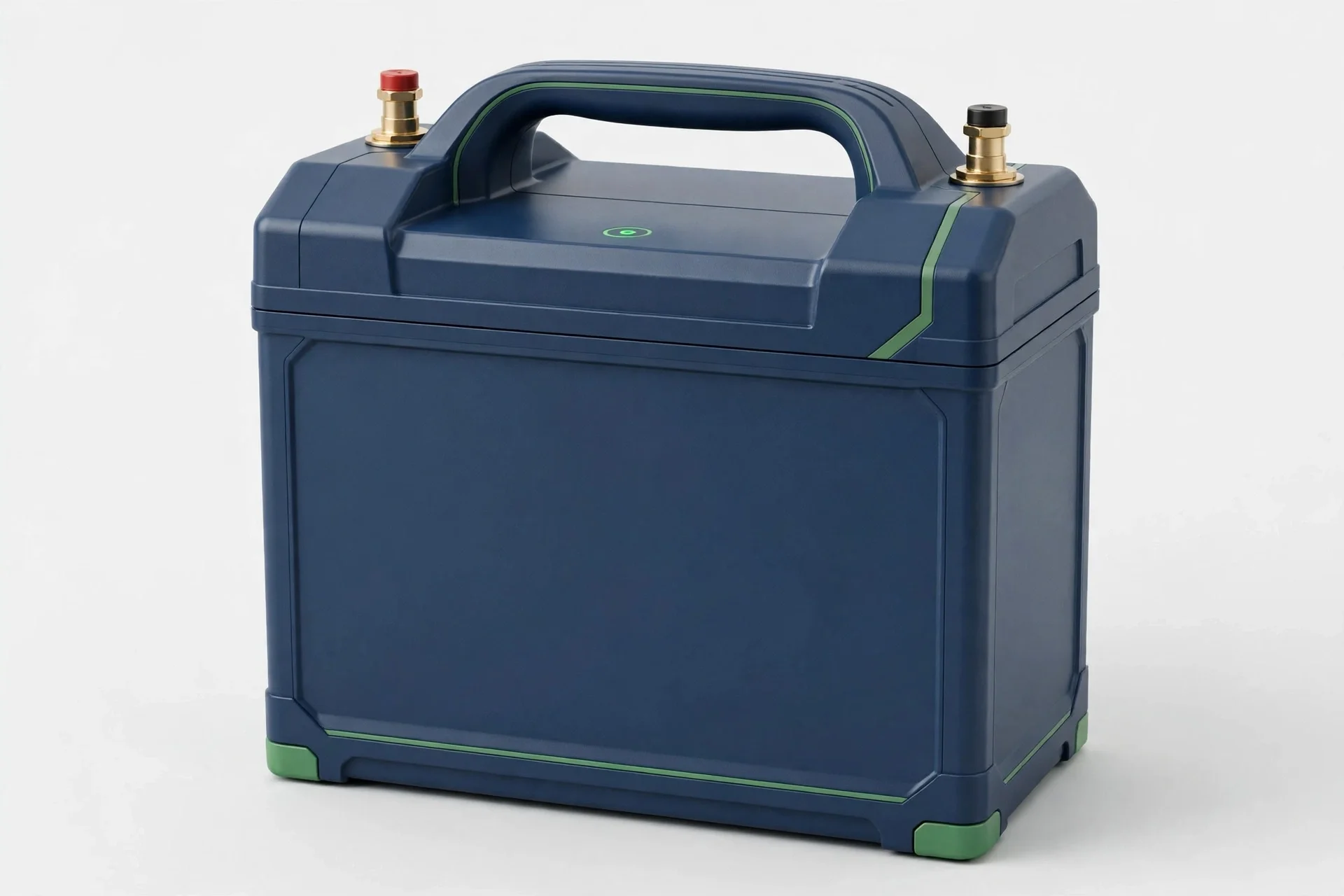
Illustrative scene: LiFePO4 deep cycle battery. The image shows the product type, not one specific model.
Why usable capacity matters more than size
Compared with lead-acid batteries, a LiFePO4 Deep Cycle Battery provides higher energy efficiency. Lead-acid batteries often waste a large portion of energy during charging and discharging, while LiFePO4 batteries can deliver more usable capacity. In many cases, users can safely discharge a LiFePO4 battery much deeper without damaging the battery, meaning more stored energy can actually be used. This is especially valuable in applications where reliable power is needed every day.
Another major advantage is lifespan. Traditional lead-acid batteries may need replacement after a few hundred cycles, especially when used frequently or deeply discharged. In contrast, a quality LiFePO4 Deep Cycle Battery can often provide thousands of charge and discharge cycles. Although the initial investment may be higher, the long-term cost is usually lower because users do not need to replace the battery as often. For solar storage and backup power systems, this long cycle life creates better value over time.
Safety is also an important reason why many people choose LiFePO4 technology. Lithium iron phosphate chemistry is known for excellent thermal stability and a lower risk of overheating compared with some other lithium battery types. Most LiFePO4 Deep Cycle Battery products also include a built-in battery management system, often called BMS. The BMS helps protect the battery from overcharging, over-discharging, short circuits, and excessive temperature, improving both safety and reliability.
| What changes | Lead-acid, in practice | LiFePO4 deep cycle |
|---|---|---|
| Usable energy | Often kept above 50% discharge to protect life | Can usually discharge much deeper, often 80% or more |
| Service life | Often only a few hundred deep cycles | Often thousands of cycles with strong capacity retention |
| Weight and space | Heavy and bulky for the energy stored | Lighter and more compact, a real advantage in RVs and boats |
| Daily protection | Needs careful charging and maintenance | Built-in BMS guards against overcharge, over-discharge, short circuits, and temperature problems |
Weight, space and daily protection
Weight and space savings are additional benefits. Lead-acid batteries are heavy and bulky, which can be inconvenient for RVs, boats, portable power systems, and small equipment rooms. A LiFePO4 Deep Cycle Battery is usually much lighter while providing similar or greater usable energy. This makes installation easier and allows users to design cleaner, more compact power systems.
LiFePO4 batteries are also well suited for renewable energy. In a solar power system, batteries must charge during the day and provide electricity at night or during cloudy weather. A LiFePO4 Deep Cycle Battery can handle repeated daily cycling more effectively than lead-acid batteries. Its stable voltage output helps power inverters and appliances more consistently, supporting a smoother energy experience.
For users considering an upgrade, it is important to choose the correct battery capacity, voltage, and compatibility with existing chargers or inverters. Some lead-acid chargers may not be ideal for LiFePO4 batteries, so checking charging requirements is essential. With proper installation and matching equipment, the transition from lead-acid to LiFePO4 can be simple and highly rewarding.
Overall, the LiFePO4 Deep Cycle Battery represents a modern and dependable energy storage solution. It offers longer life, greater efficiency, improved safety, lighter weight, and better long-term value. Whether used in solar systems, recreational vehicles, boats, or emergency backup applications, it is a smart replacement for outdated lead-acid batteries and a strong step toward cleaner, more reliable power.
A quick checklist
- Usable energy first: check how deep the battery can safely discharge, not just its rated size.
- Daily protection: a built-in BMS guards against overcharge, over-discharge, short circuits and temperature problems.
- Weight and space: lighter, more compact batteries suit RVs, boats and tight installations.
Questions, answered briefly
Will it really last longer? In regular deep-cycle use, longer cycle life and less frequent replacement are the main economic case for the upgrade.
Is it safer to live with? LiFePO4 chemistry and a built-in BMS together give a much stronger safety margin than an unprotected lead-acid bank, but installation and settings still matter.